
← Back to Trust Center overview
How we protect
your institution.
This is the playbook behind the numbers: how we choose and monitor partners, govern the network, stop document fraud before it reaches you, and hold our own teams to the same standard. Not trust you take on faith, but quality and accountability you can measure.
How We Protect Your Pipeline
Four Gates Between a Bad File and Your Desk
A clean pipeline begins long before an application is submitted. Each stage below is a control your institution does not have to build or staff. Expand any stage for the operational detail.
Vet Every Partner at the Door
of recruiters who apply to join
Credentials, business registration, reputation, and identity verification including photo ID and liveness checks, before any platform access.
Operational detail
Active partners are scored continuously on conversion, responsiveness, and student satisfaction, and graded Green, Amber, or Red with a defined action plan at each level. Serious or repeated breaches end in suspension or permanent removal. Read the full vetting methodology.
Train the People Advising Students
via Counsellor Courses and TrainHub
Counsellors stay current on each destination's rules, and institutions can verify that training was completed.
Operational detail
Courses are updated as destination policy changes (PAL/TAL requirements, financial thresholds, UKVI Agent Quality Framework expectations) so advice given at the source market matches what visa officers expect. See the training ecosystem.
Screen Every File Before You See It
of applications, screened out before submission
Document forensics, plagiarism and cloning filters, identity cross-checks, direct ELP validation, and AI credibility interviews run before submission.
Operational detail
Our Document Checker reviews every attachment for metadata alteration, image tampering, and structural anomalies. Bank statement verification compares financial records across candidates to catch cloned transaction logs in higher-risk corridors. Files that clear all gates submit through fully automated workflows, removing manual data-entry risk. How screening works.
Enforce in Public
permanent removal, named
Confirmed fraud means permanent removal from the platform and a named entry on our public blocklist, with financial clawbacks where contracts allow.
Operational detail
Incident response follows three steps: identify (pre-submission checks hold the file), review (account paused, full history examined), act and disclose (removal, public listing, clawback). View the public blocklist.
How We Govern the Network
Understanding the Threat
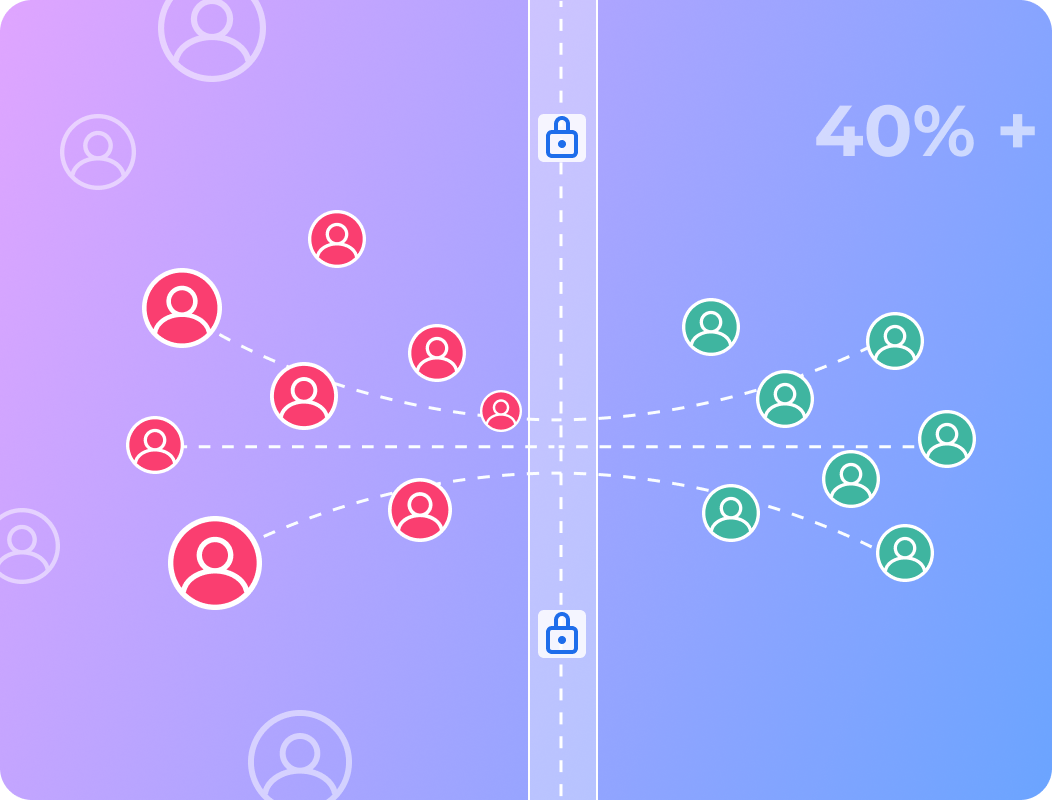
Compliance intelligence across the sector points to a consistent pattern: a small minority of operators is responsible for a disproportionate share of documentation fraud. That concentration is actually good news, it means the most effective thing we can do is be careful about who enters the network in the first place, rather than trying to catch problems after they've spread.
So we manage network access deliberately. Our onboarding review screens out non-genuine actors early, which is why a significant share of prospective recruitment agencies don't make it past our first stage, and why the partners who do clear it are ones your admissions team can rely on.
Keeping Partners on Track
Vetting gets the right partners in; ongoing review keeps the network healthy. Our compliance team watches conversion and performance data not to punish, but to catch issues early and help partners improve before small problems become big ones.
Regional Standards and Playbooks
Guided by our established regional standards and a specialized High-Risk Region Playbook (currently in development), we review Recruitment Partners whose application-to-enrollment conversion rates fall well outside the norm, and work with them to understand why.
Application Fee Piloting
We're piloting application fees for low-converting partners, to discourage low-intent bulk submissions and keep your admissions pipeline focused on students who actually intend to enroll.
Tools in Action
What Partner Governance Looks Like Inside the Platform
Controls are easier to trust when you can see them. Here are two of the tools doing the work, the same views our partner institutions use.
Every Agency Gets a Grade: Green, Amber, or Red
Vetting is not one-and-done. Each agency partner is risk-assessed on visa refusal rate by intake, enrolment conversion, training completion, and compliance breaches, with a defined action plan at every level.
First introduced for the UK under the White Paper agent governance framework, and expanding across destinations.
- Strong CAS-to-enrolment conversion
- Compliance training completed
- Zero breaches in the last 12 months
- Average conversion, or a startup account
- Action: warning plus mandatory training and development
- Poor conversion, or 1 or more breach in the last 12 months
- Action: restriction from the UK destination for up to 1 year
Illustrative view of the UK agent risk segmentation framework.
Your Training, Distributed and Tracked
TrainHub lets your institution push its own agent training to every recruitment partner, certify who completed it, and pull an audit-ready report at any time.
- Certify agents you train in person or through webinars
- Track every agent interaction in one place
- Stay audit-ready for current and upcoming regulations
| Company | Country | Your training | Ethical practices | UK counsellor course |
|---|---|---|---|---|
| Sendero Educativo | Mexico | ✓ 12/34 | ✓ 1/34 | × 0/34 |
| Andina Study Group | Colombia | × 0/44 | ✓ 2/44 | × 0/44 |
| Bacata Learning SAS | Colombia | × 0/15 | ✓ 3/15 | ✓ 1/15 |
| Rumbo Academico | Colombia | × 0/9 | ✓ 1/9 | × 0/9 |
Illustrative sample of the TrainHub Recruitment Partner Performance Report.
In today's competitive and complex recruitment environment, it's more important than ever to choose partners that match your university's mission and enrollment goals. ApplyBoard understands they aren't just recruiting students, they're representing our institution and our values in markets around the world. They take time to understand our programs and admissions requirements, focus on long-term relationships over short-term gains, and adapt as conditions change.Ling Zhang, Executive Director, Central Michigan University
How We Stop Document Fraud
What We Check, and How
Even with strong partners, document fraud is a reality of the sector, so we built checks directly into the pre-submission stage to catch it before any file reaches your admissions team. The goal is simple: protect your visa-approval rates and your applicants' standing across destinations like the UK, Canada, and the US, without adding work to your side of the desk.
Document Checker
Reviews every uploaded attachment for digital-layer discrepancies, metadata alterations, image tampering, and structural anomalies, flagging anything that looks off for a closer human look.
Plagiarism and Cloning Filters
Language models read incoming Statements of Purpose and resumes, screening for AI-generated cloning and duplicated patterns against our large historical document set.
Identity Verification
Cross-checks passport details against companion academic documents to surface inconsistencies or mismatches.
Direct ELP Validation
Validates English Language Proficiency scores straight against testing-authority records in real time, so there's no paper certificate to forge.
Document Trust Infrastructure
A secure network that lets institutions, visa centers, and authorities confirm official documents and letters of acceptance straight from the source, offered free.
AI Safety Research
Our engineering, research, and development teams have earned global recognition for document-security work, including a Best Paper Award at the IEEE International Conference.
Tools in Action
What Screening Looks Like Inside the Platform
Controls are easier to trust when you can see them. Here is the credibility interview tool doing the work, the same view our partner institutions use.
Catching Impersonation Before the Visa Stage
Our credibility interview tool, first deployed for UK-bound applicants, evaluates each recorded interview on multiple AI checks:
- Impersonation detection: live video matched against the passport
- Browser toggle and third-party voice detection
- Eye contact analysis
- Content relevancy between answers and the Statement of Purpose
A low identity match or misaligned answers flag the file before a visa application is ever created.
Illustrative recreation of the UK credibility interview workflow.
Intercepting Emerging Synthetic Risks
A sophisticated financial fraud pattern was identified involving modified bank transaction formats across specific applicant networks in the Democratic Republic of Congo.
Our early-stage anomaly engine flagged structural layout inconsistencies pre-submission. The file was immediately quarantined before entering any institutional queue.
Within hours, our specialized risk and development teams completed a forensic assessment of the signature profile and updated our technical pipeline to automatically detect and block that configuration globally. The threat was neutralized at the platform layer, insulating our institutional partnerships from post-submission rejections, visa risk exposure, or enrollment cap compliance threats.
Incident Response
When Something Goes Wrong
Most partners never trigger this. But when a compliance issue or a terms-of-service breach does surface, we follow a clear, consistent three-step process so everyone knows what to expect.
Identify
Pre-submission checks flag document anomalies, layout clones, or sub-agency patterns, holding the file before it can be submitted.
Review
The partner's account is paused while our risk team takes a careful look across their history to understand the scope of what's happened.
Act and Disclose
Where unethical recruitment or document fraud is confirmed, the partner is removed from the platform, permanently, and named in our public blocklist of agents and organizations. Where contracts provide for it, financial clawbacks help offset the cost of the misconduct.
The current recruitment landscape demands a real focus on integrity and transparency. It matters that a platform is open about how it screens and enforces, rather than asking us to take it on faith. By verifying applicant data before it reaches us, ApplyBoard reduces institutional risk and frees our admissions team to focus on what matters: building relationships with genuine, well-matched students.Joe Paley, Head of International, University of South Wales
Radical Transparency as a Collective Defense
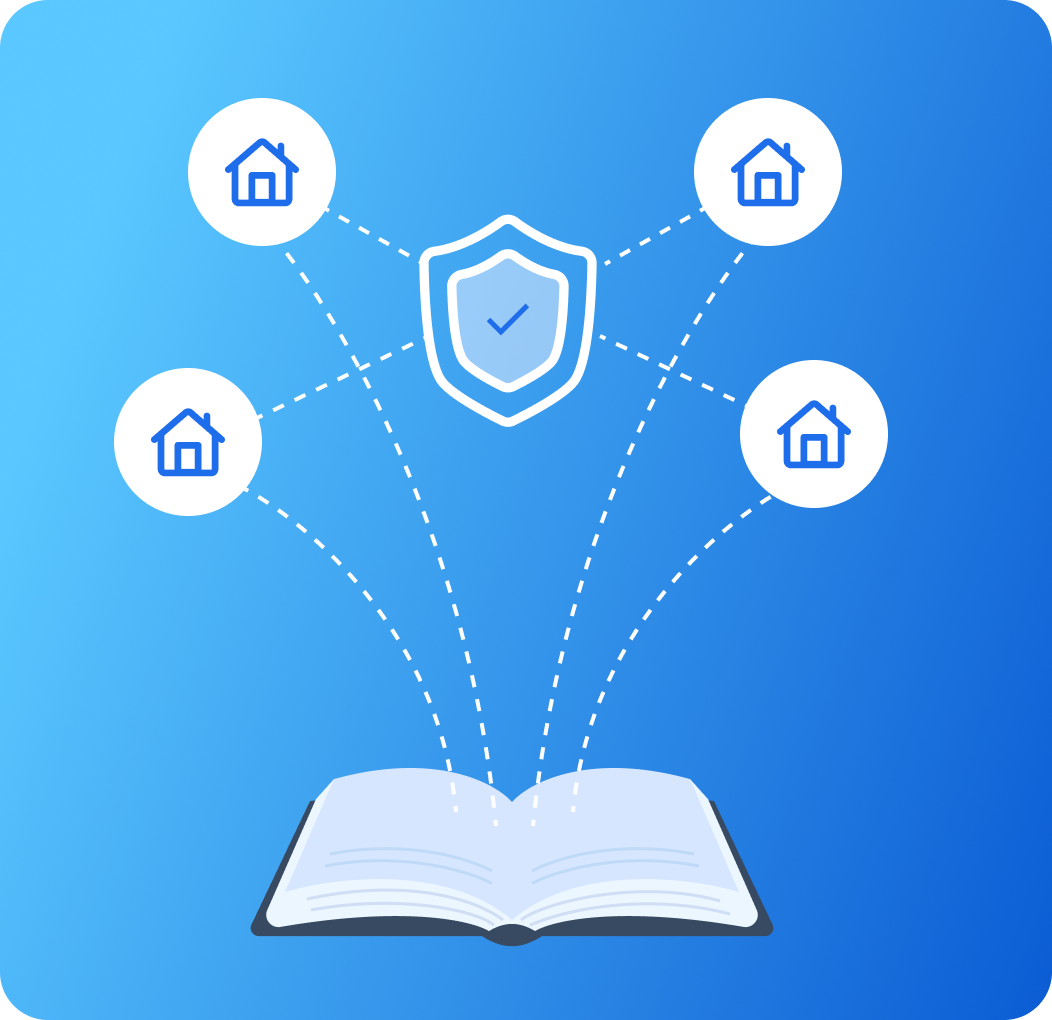
The international admissions space is complex, and bad actors are persistent, always probing for blind spots and weak seams in the pipeline. Security can't happen in a vacuum, and we think the strongest response to evolving threats is shared intelligence and openness rather than secrecy.
So instead of keeping our protocols behind closed doors, we share the realities of how we operate: our top-of-funnel gating (which screens out a meaningful share of prospective agencies before they reach the network), and our public enforcement actions.
The thinking is straightforward: when your institution can see how threats arise and how they're stopped, we build a shared defense that makes the whole sector harder to exploit. The Trust Center is that shared playbook, helping protect your brand, your compliance standing, and your admissions pipeline, in full view.
Automation
Automation-Driven Accuracy and Consistency
We invest continuously in our core automation infrastructure to improve operational consistency, reduce manual data-entry risk, and scale the platform for our institutional partnerships.
End-to-End Automated Workflows
Candidate files that pass all front-end forensic and criteria gates are submitted to partner institutions through fully automated workflows, with no human intervention on automated submissions.
System-Driven Workflow Validation Controls
Embedded validation controls run complex admissions calculations natively within the workflow, automating GPA calculations, evaluating global academic-background equivalencies, and cross-checking program-specific prerequisites against candidate transcripts. The result: greater entry accuracy, fewer manual processing errors, and turnaround times compressed from weeks to hours.
Internal Governance
Our Own House in Order
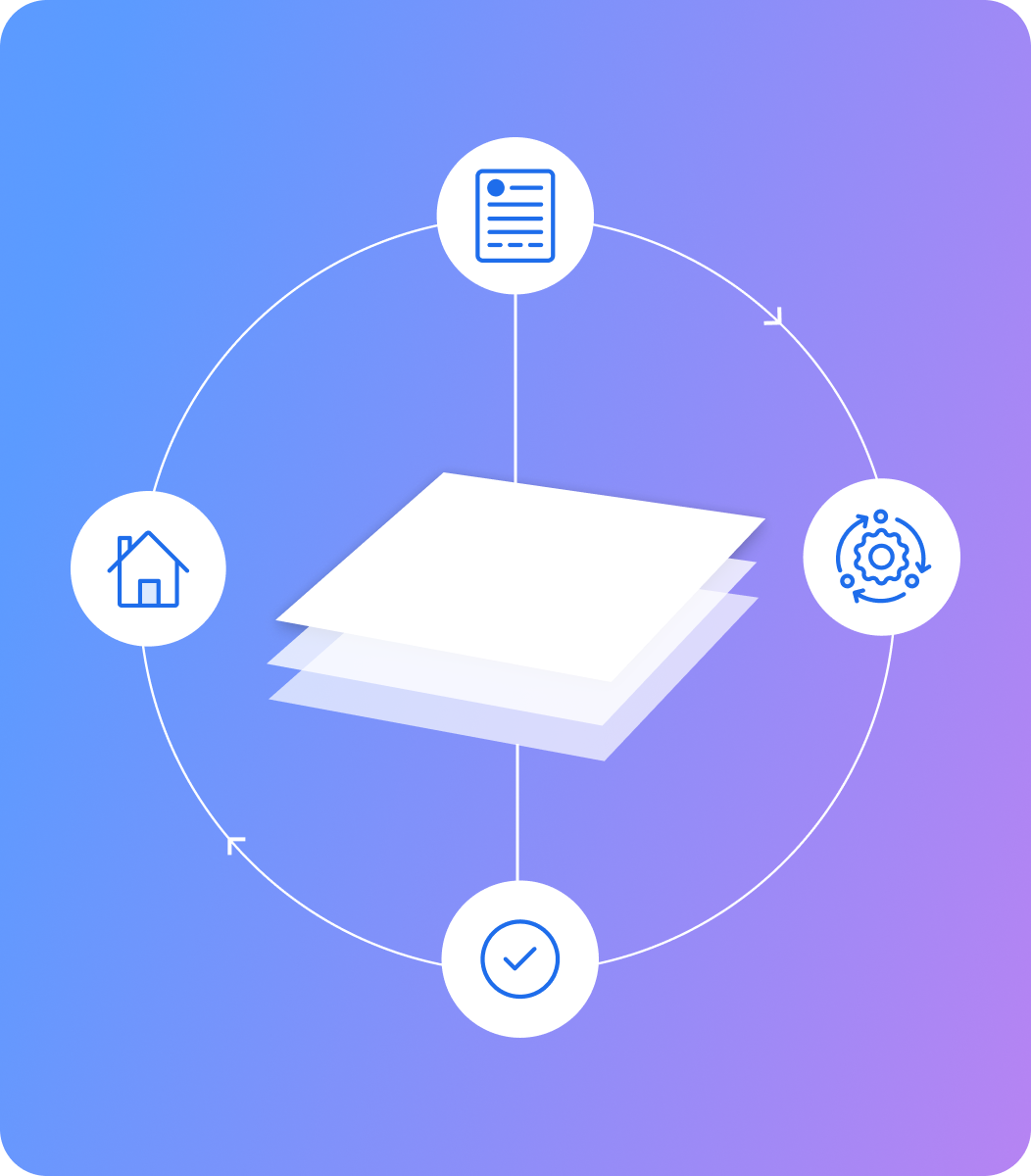
As a scaled global technology enterprise operating in a policy-sensitive domain, our corporate compliance infrastructure has evolved to echo the same high standards we enforce across our marketplace.
Dedicated People and Culture Division
Centralizes internal access controls, formalizes operational oversight, and integrates compliance guardrails across our international offices.
Quality-Driven Performance Metrics
We embed conversion KPIs directly into the performance frameworks of our Customer Experience (CX) and Sales teams, so internal success targets reward clean, high-intent pipelines rather than raw application volume.
Specialized Irregularity Oversight
A dedicated anomaly and irregularity Subject Matter Expert (SME) sits within our CX division, focused entirely on identifying processing inconsistencies and application anomalies, embedding proactive risk detection straight into partner support.
Hardened Workplace Conduct Codes
Our workforce operates under rigorous internal frameworks, including Workplace Violence, Workplace Harassment, and Discrimination policies, backed by an anonymous, legally protected Whistleblower Policy. Compliance and ethical conduct always take precedence over volume or performance metrics.
Data Privacy and Security
Privacy and Security by Design
Applicants trust us, and you, with sensitive personal data, and we are accountable for how it is handled. ApplyBoard's platform is designed with privacy, security, and responsible data handling at the center of how we support students and institutional partners.
Safeguards and Need-Based Access
We use technical and organizational safeguards intended to protect applicant information, support secure processing, and limit access to personal data based on business need, in accordance with applicable privacy laws.
Recognized Data Protection Principles
Our privacy and security program is built around recognized data protection principles: appropriate access controls, secure handling of applicant information, accountability in processing, and ongoing review of our controls.
Aligned with GDPR and Local Law
Where applicable, we align our practices with privacy and data protection requirements in the jurisdictions where we operate, including GDPR principles for the processing of personal data.
Outcomes and Accountability
From Controls to Outcomes
Screening and enforcement matter, but partners told us the conversation has moved to downstream quality: visa performance, enrolment yield, retention, and completion. Here is what we report today and what we are building next. We publish this roadmap so you can hold us to it.
- 82% acceptance rate on forwarded, pre-screened files
- ELP verification at source, in real time
- Public blocklist of removed recruitment partners
- Monthly visa refusal intelligence with priority-ranked fixes
- Quality-weighted internal KPIs: our teams are measured on clean conversion, not raw volume
- Visa performance reporting by recruitment partner cohort
- Enrolment yield and melt analysis for partner institutions
- Retention and persistence indicators for ApplyBoard-sourced cohorts
- High-Risk Region Playbook with corridor-specific financial checks
- Application fee pilot for low-converting partners, to deter speculative bulk submissions
Why This Matters for Your Institution
Every control here exists to do one thing: keep risk away from your desk.
We gate weak actors out at the door, run automated checks on every file before it's submitted, and hold our own teams to the same standard we enforce across the network. That is the shift from volume to quality in practice: by the time an application reaches your admissions team, the hard part is already done.
We've shown you all of this for a simple reason: we would rather give you the evidence than ask you to trust us. The fact that we open our playbook (the metrics, the enforcement actions, the failures we catch) is itself the reason you can rely on what's inside it.
Your reputation, your visa-approval rates, and your admissions pipeline are ours to protect, too.